
Health is shared
Human wellbeing, animal health and the integrity of ecosystems are deeply connected. Zoonotic diseases, antimicrobial resistance, unsafe food and water, biodiversity loss, pollution and climate-related risks cannot be addressed effectively in isolation.
OHH-WIO is a Madagascar-rooted nonprofit organization advancing One Health through collaboration, applied knowledge and practical solutions. We work across disciplines and sectors, from terrestrial landscapes and food systems to coastal and marine environments, while keeping communities and local realities at the center.
Our focus
One mission, five connected areas of action
Ecosystem
Health & Conservation
We make the links between environmental change, animal health and human wellbeing visible and actionable.
Prevention, Resilience & Health Security
We strengthen prevention and preparedness for risks emerging at the human–animal–environment interface
Knowledge, Data & Innovation
We promote applied research, integrated surveillance, responsible data governance, and locally relevant innovation.
Communities, Equity & Territories
We work with communities as partners and knowledge holders
Capacity, Policy & Partnerships
We strengthen One Health leadership, technical capacity and cross-sector coordination
From science to policy
Evidence that informs action
OHH-WIO helps bridge research, practice and public decision-making. We create spaces where scientists, communities, practitioners and institutions can interpret evidence together, identify feasible responses and translate learning into programs, policies and governance arrangements suited to Madagascar and the Western Indian Ocean.
This science-policy role includes knowledge synthesis, policy dialogue, interdisciplinary convening, technical advice, responsible communication of uncertainty, and monitoring whether commitments lead to funded and measurable action.
How we work
From shared challenges to collective action
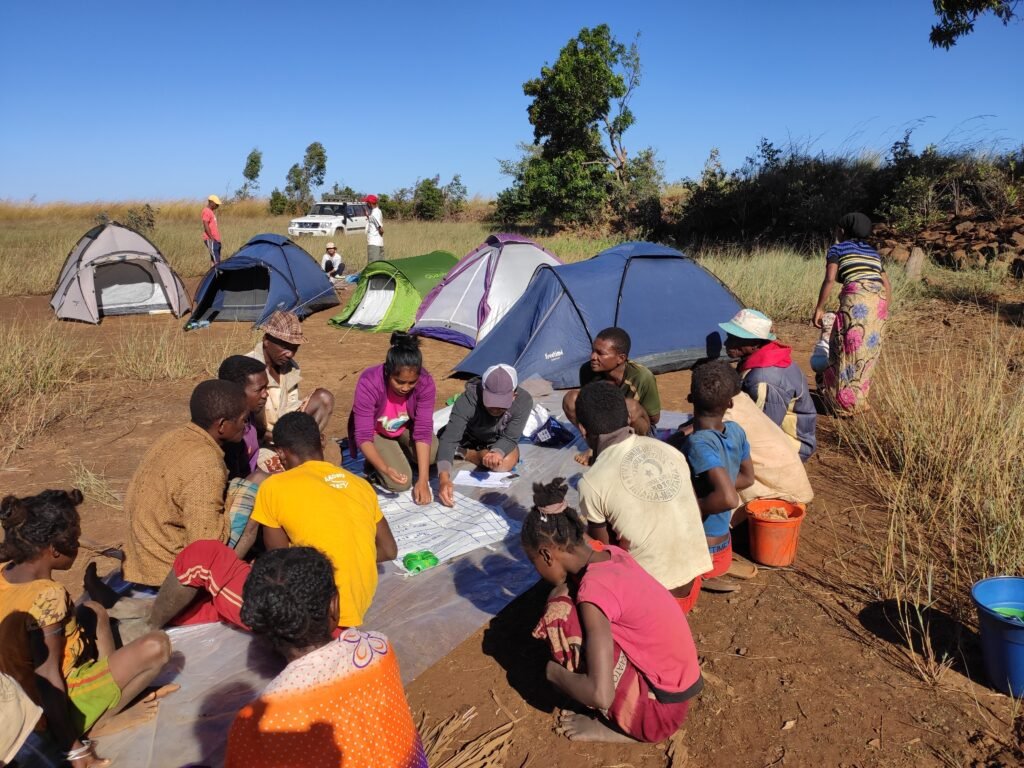
Listen and co-design
Understand priorities with communities, institutions and practitioners.
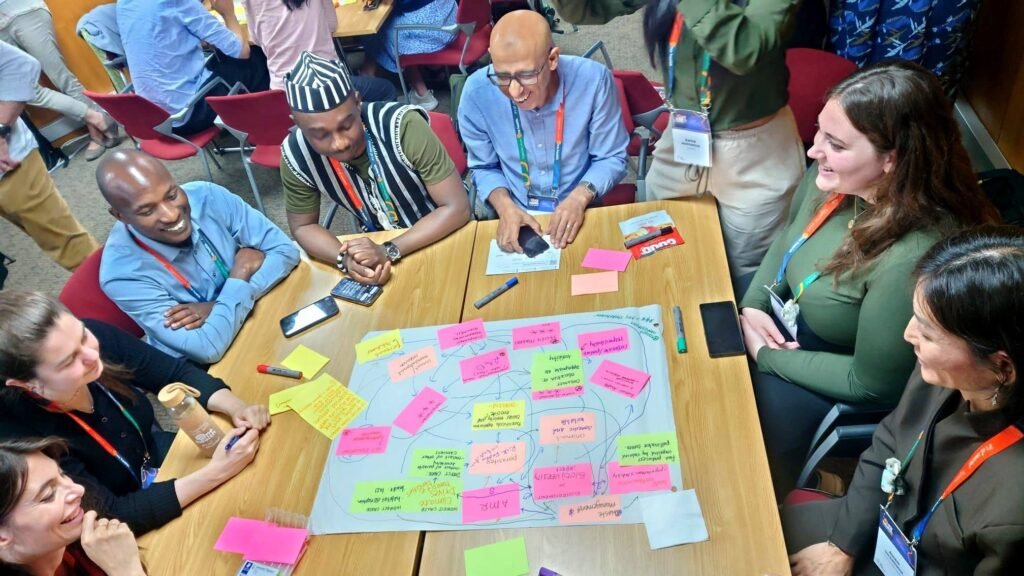
Connect expertise
Bring health, veterinary, environmental and social perspectives to the same table.
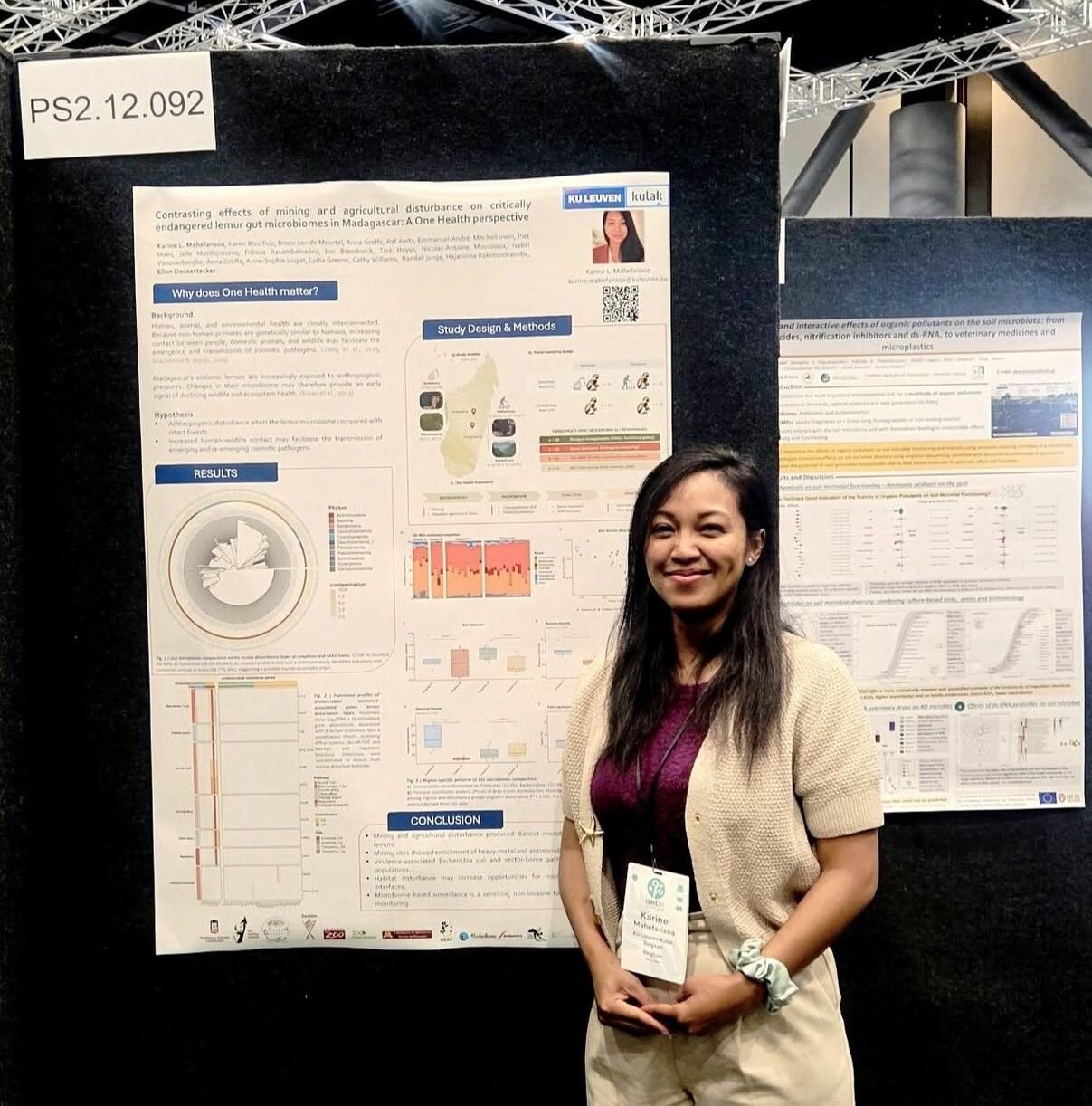
Generate useful evidence
Support research, surveillance and learning that respond to real needs.
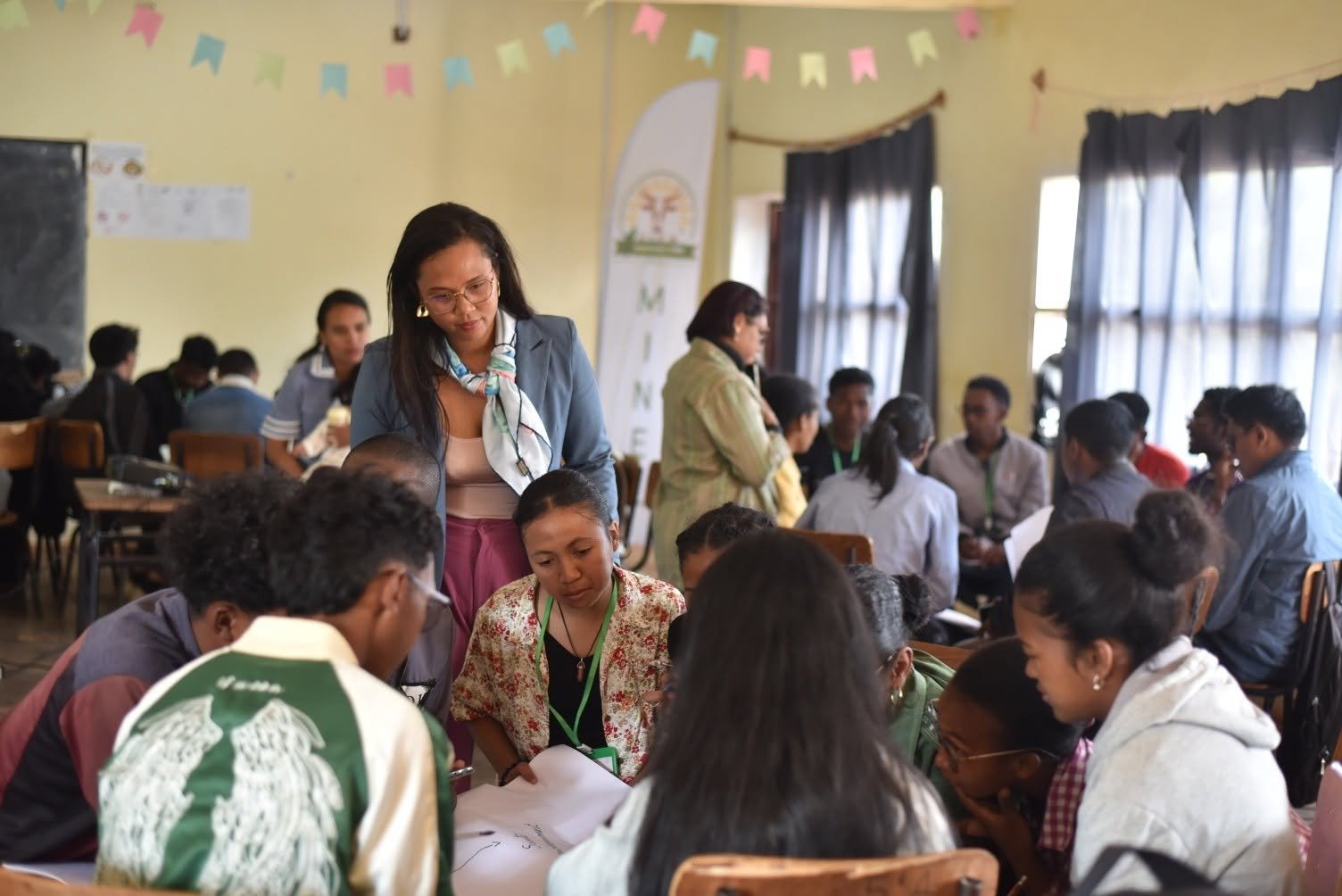
Build capacity
Equip people and institutions to lead and sustain One Health action.
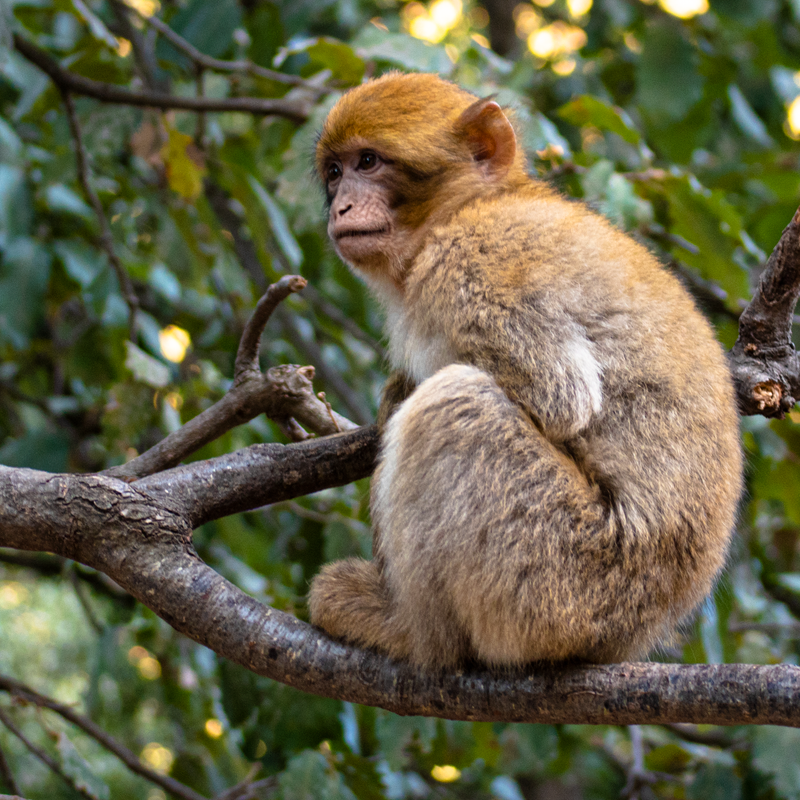
Support decisions
Translate evidence into practical programs, policies and governance solutions.
Early milestones
Building the foundation for lasting impact
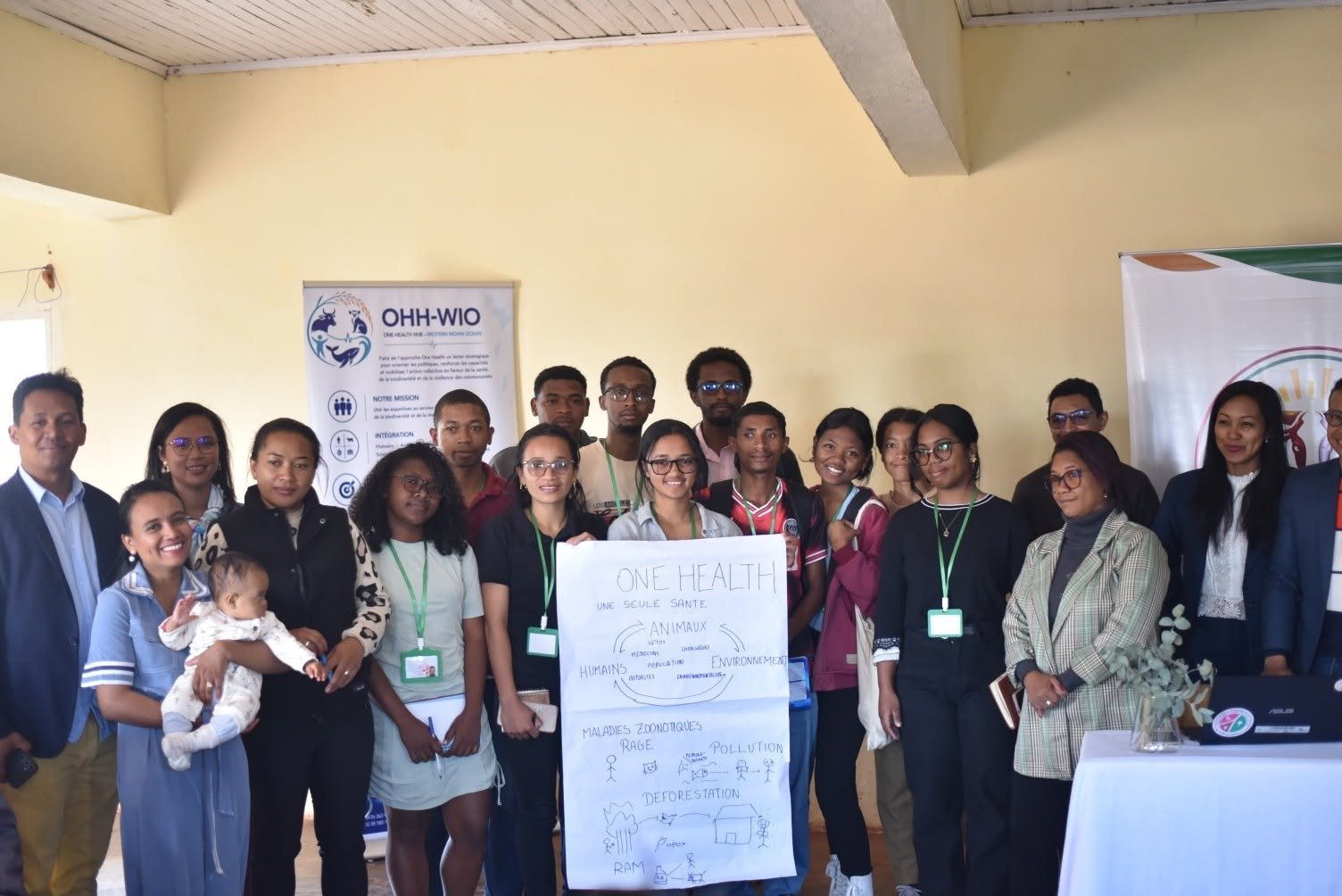
OHH-WIO is at an early stage of its journey. Our first educational activity and participation in two international conferences have begun to connect local experience with wider One Health dialogue. These milestones are helping us build partnerships, refine priorities and prepare future action grounded in Madagascar’s needs and the Western Indian Ocean context.
Scientific foundation
The statutes define OHH-WIO’s mandate. Scientific literature provides the evidence base used to frame that mandate for the website and future programming. The four themes below should remain visible across project design, communications and learning.
Marine conservation and One Health
Coastal and marine health connects ecosystem integrity with food security, livelihoods, exposure to pollutants, antimicrobial resistance, climate-related risks and the health of wildlife and people. Research also shows that marine dimensions remain underrepresented in One Health practice. OHH-WIO can help address this gap by connecting reef, coastal, watershed, and community health rather than treating the ocean as a separate environmental issue.
Terrestrial biodiversity and One Health
The relationship between biodiversity and disease is complex and should not be reduced to the claim that wildlife itself is a threat. Evidence indicates that human-driven habitat disturbance and biodiversity loss can favor certain competent host species and alter contact patterns among wildlife, domestic animals and people. Conservation, restoration and land-use governance therefore belong within prevention strategies, alongside careful ecological and epidemiological assessment.
Zoonotic pathogens and integrated surveillance
Zoonotic risk is shaped by pathogen, host, environmental, and human-behavior factors. Integrated surveillance should combine field ecology, animal and public-health information, laboratory methods and locally governed data. Research in Madagascar’s lemurs demonstrates the relevance of non-targeted molecular approaches for detecting previously unrecognized parasites, while wider evidence shows how metagenomics can support surveillance of known and unknown organisms. Detection must be linked to risk interpretation, response capacity and ethical communication; identifying a microorganism does not by itself establish human-health risk.
Public health and One Health implementation
One Health becomes meaningful when institutions share objectives, information, responsibility and learning across sectors. Public-health value therefore depends not only on research but also on governance, preparedness, food and water safety, antimicrobial-resistance action, community participation, workforce capacity and evaluation. The website should present OHH-WIO as a connector and implementation partner, not as a substitute for public authorities or established health services.
Science-policy interface and global implementation
The science-policy interface is where interdisciplinary evidence, implementation experience, community knowledge and political choices meet. The Quadripartite partnership of FAO, UNEP, WHO and WOAH provides a global framework for coordinated One Health action across human, animal, plant and ecosystem health. Its Joint Plan of Action and national implementation guide emphasize governance, policy, legislation, financing, advocacy, multisectoral coordination, implementation and learning. The implementation period has been extended through 2029, alongside renewed institutional collaboration through 2030.
Evidence use principle
Public-facing claims should be proportionate to the available evidence. OHH-WIO should distinguish clearly between established findings, context-specific observations, organizational priorities and results generated by its own activities. Future project pages should state the question addressed, methods used, partners involved, safeguards applied, outputs produced and limitations identified.
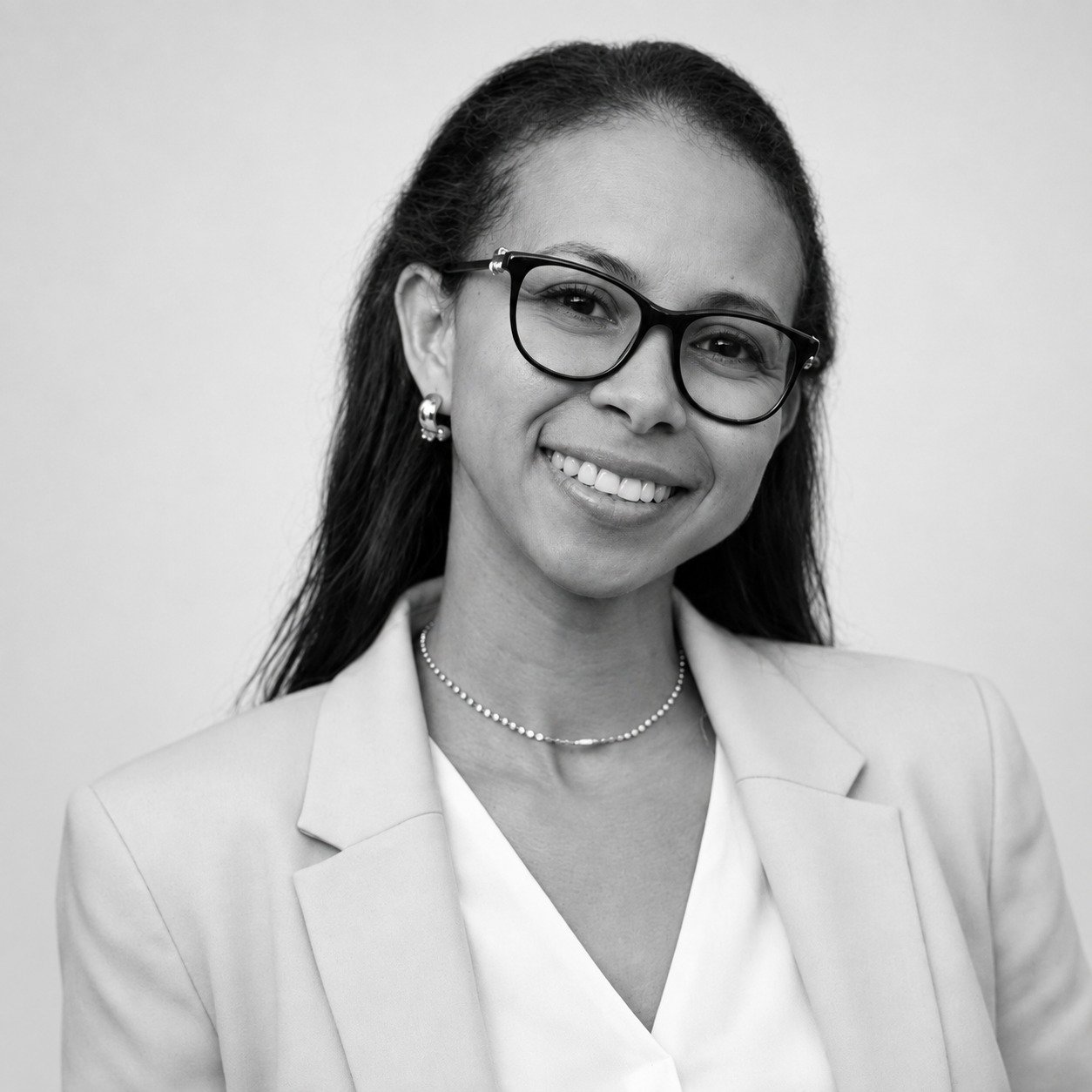
Antsa
Agronomic engineer linking food systems, environmental safeguards and community resilience through integrated One Health action.
Founding members
Our values :
Integrity, scientific rigor, transparency, accountability, equity, inclusion, participation, independence and respect for communities, biodiversity and ecosystems guide our work.
Our founding members bring complementary expertise in public and global health, veterinary medicine, agronomy, biodiversity conservation, marine and terrestrial ecosystems, molecular surveillance, environmental governance, community engagement, monitoring and evaluation, and the science–policy interface.
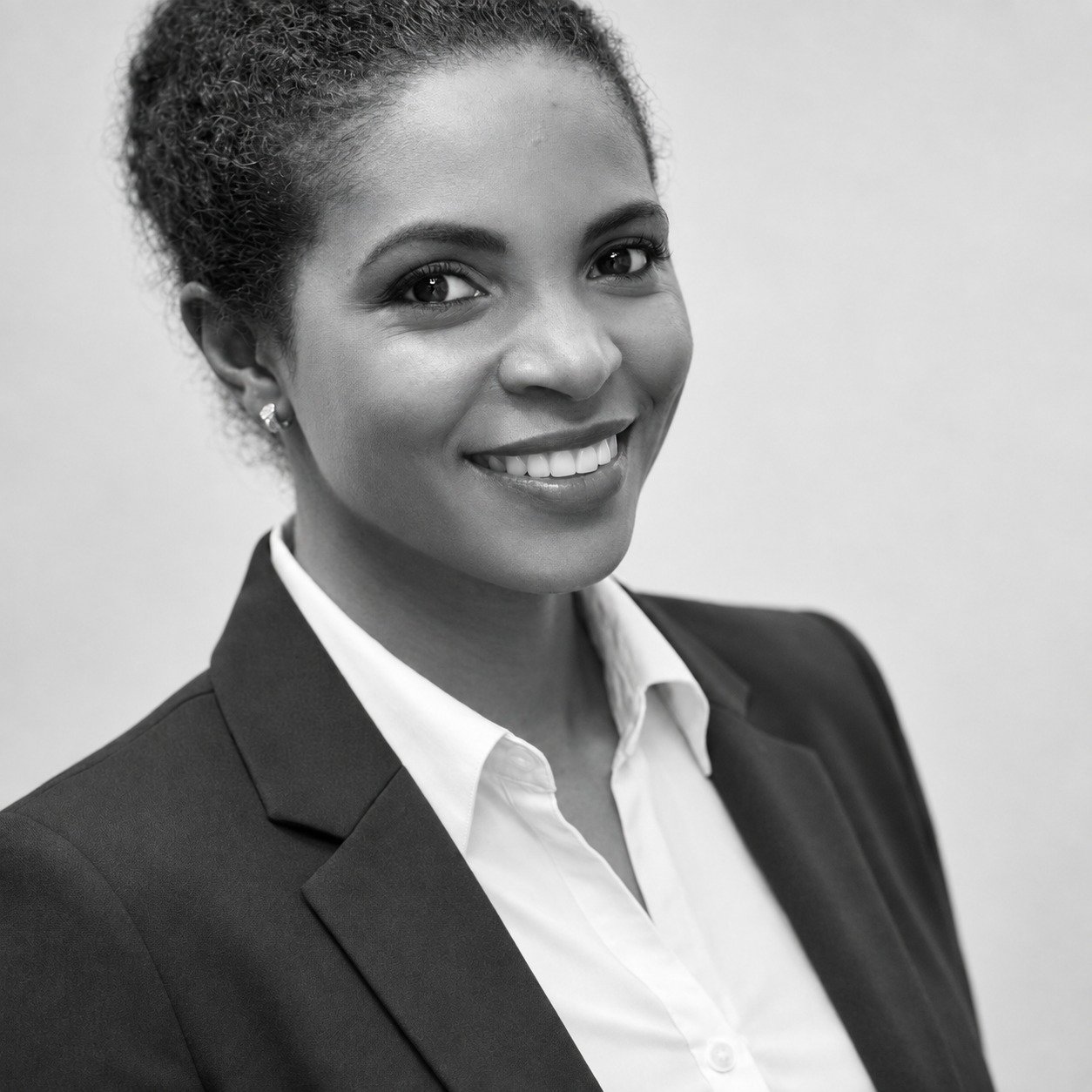
Maddy
Public and global health specialist advancing emergency preparedness, health security and inclusive One Health governance.
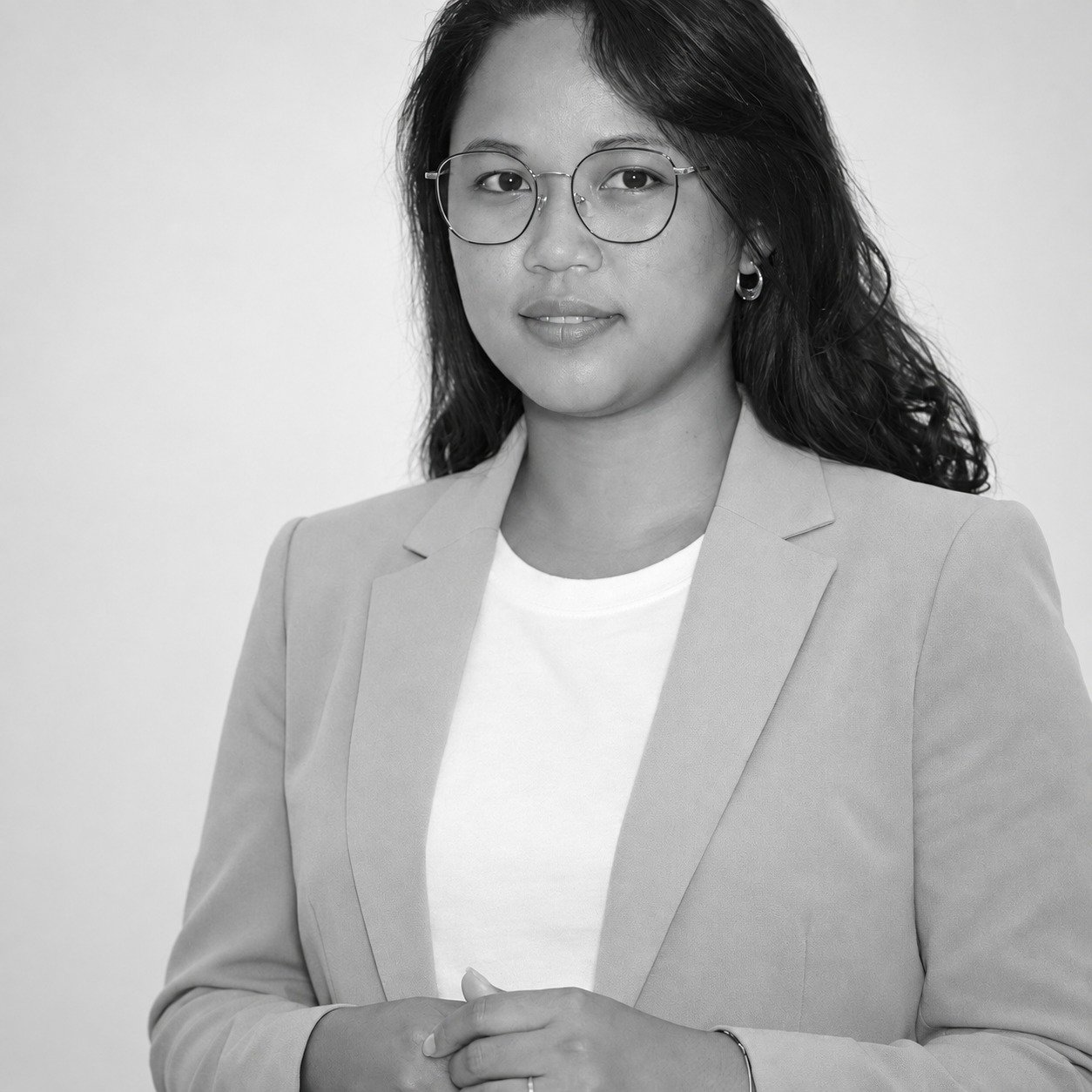
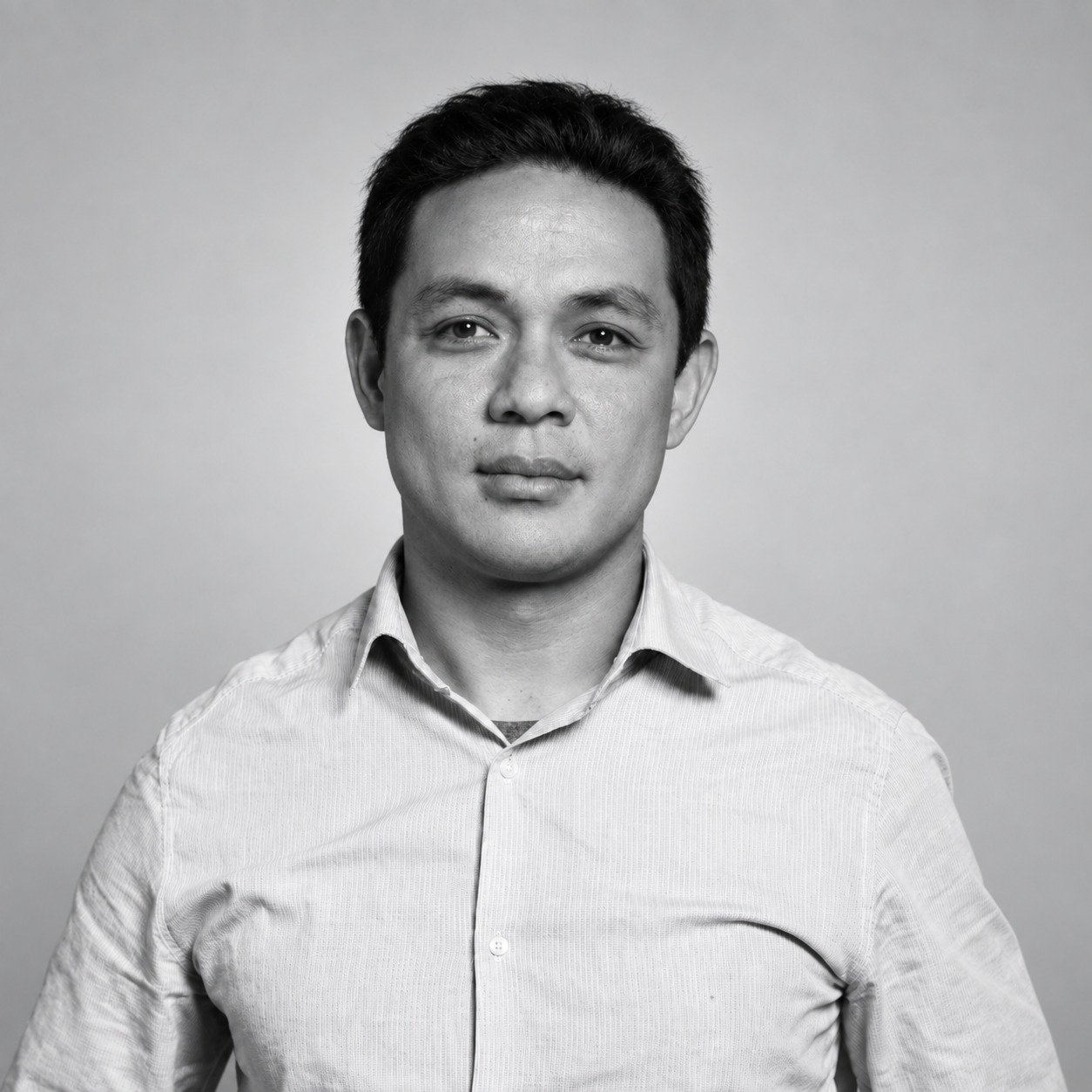
Mihaja
Wildlife veterinarian advancing conservation medicine, molecular surveillance, local scientific capacity and data sovereignty.
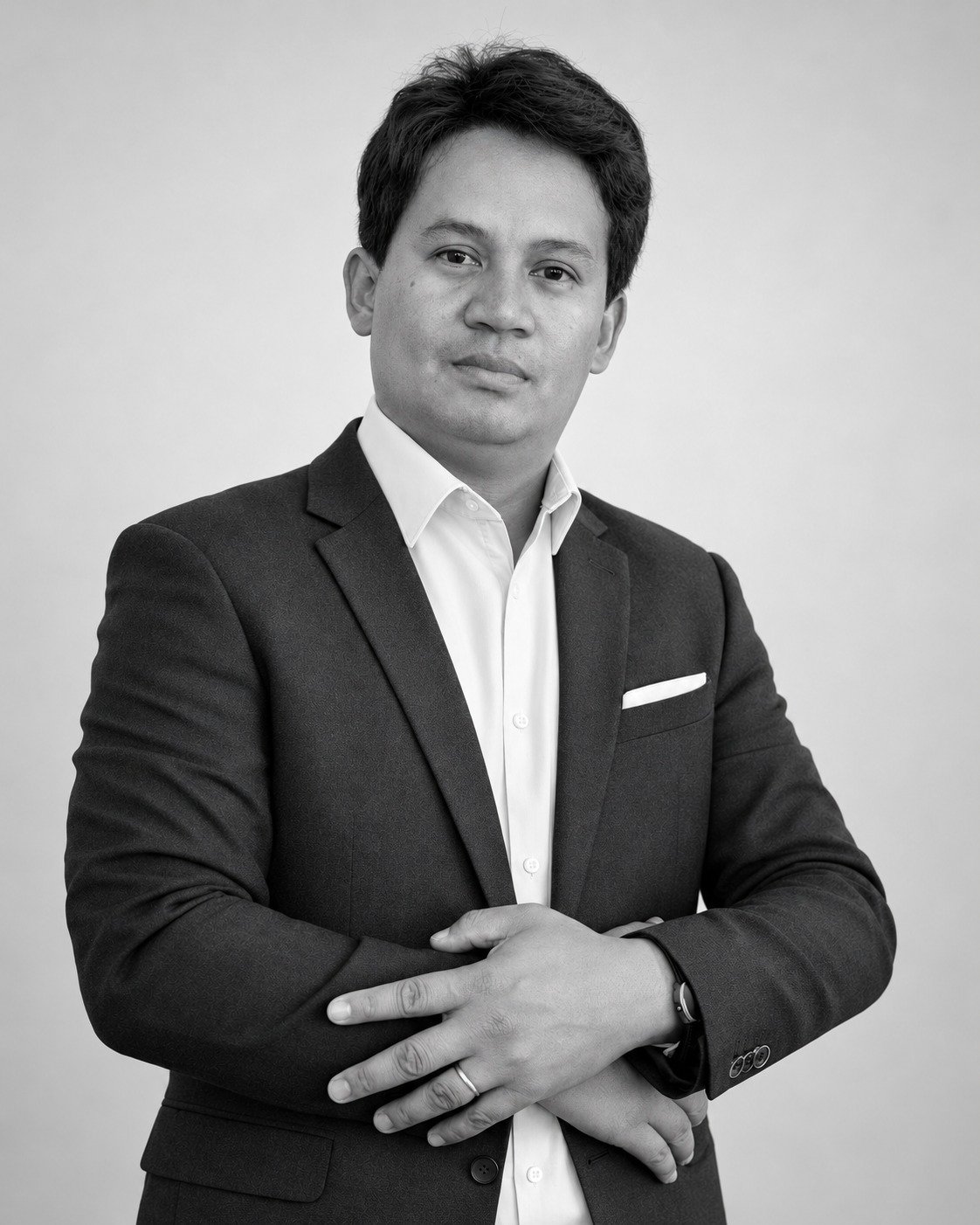
Hajaniaina
Conservation scientist connecting biodiversity, protected areas and marine ecosystem health with evidence-based governance.
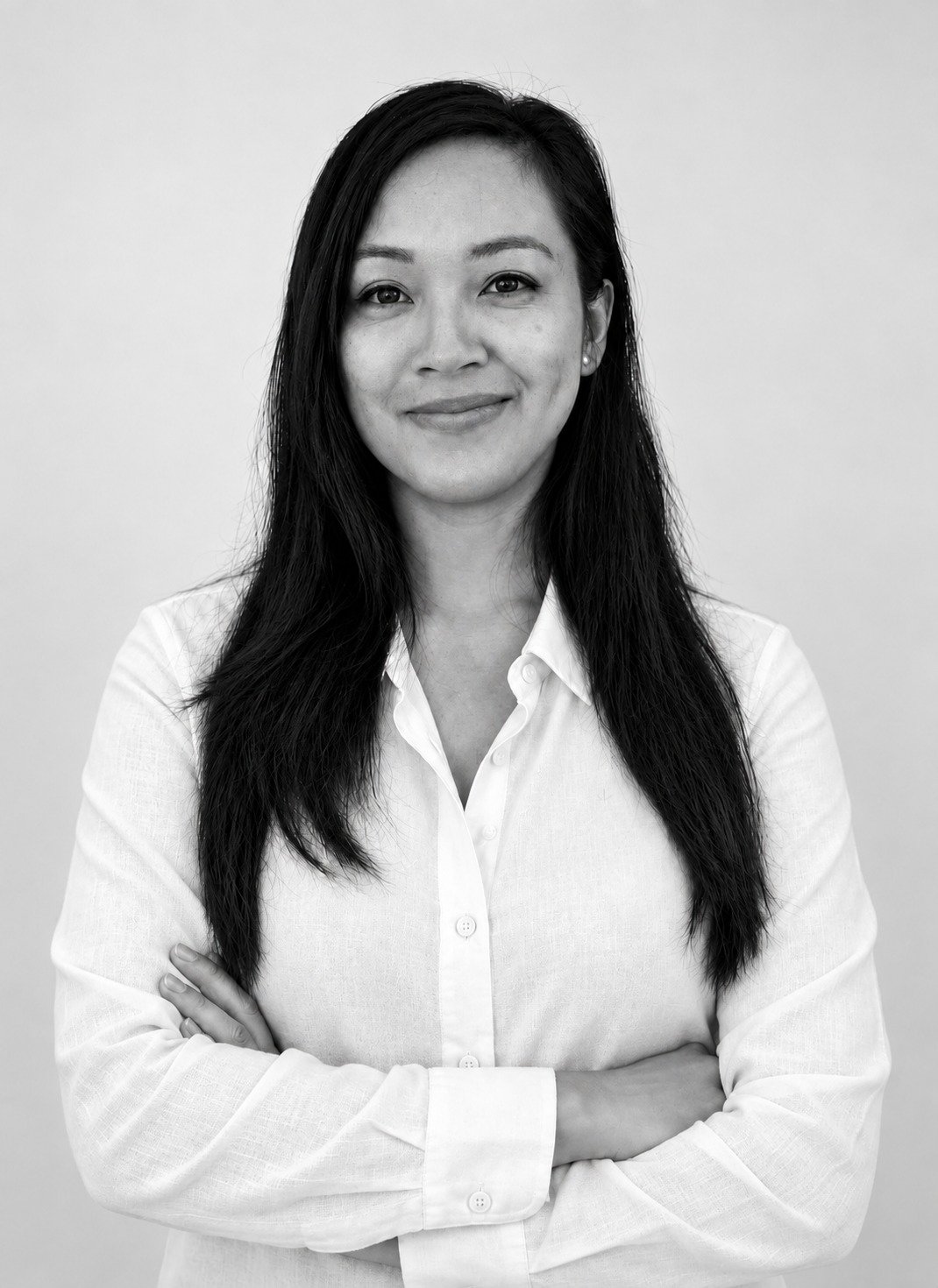
Hertz
Veterinarian and MEAL specialist strengthening health governance, food safety, accountability and sustainable One Health programs.
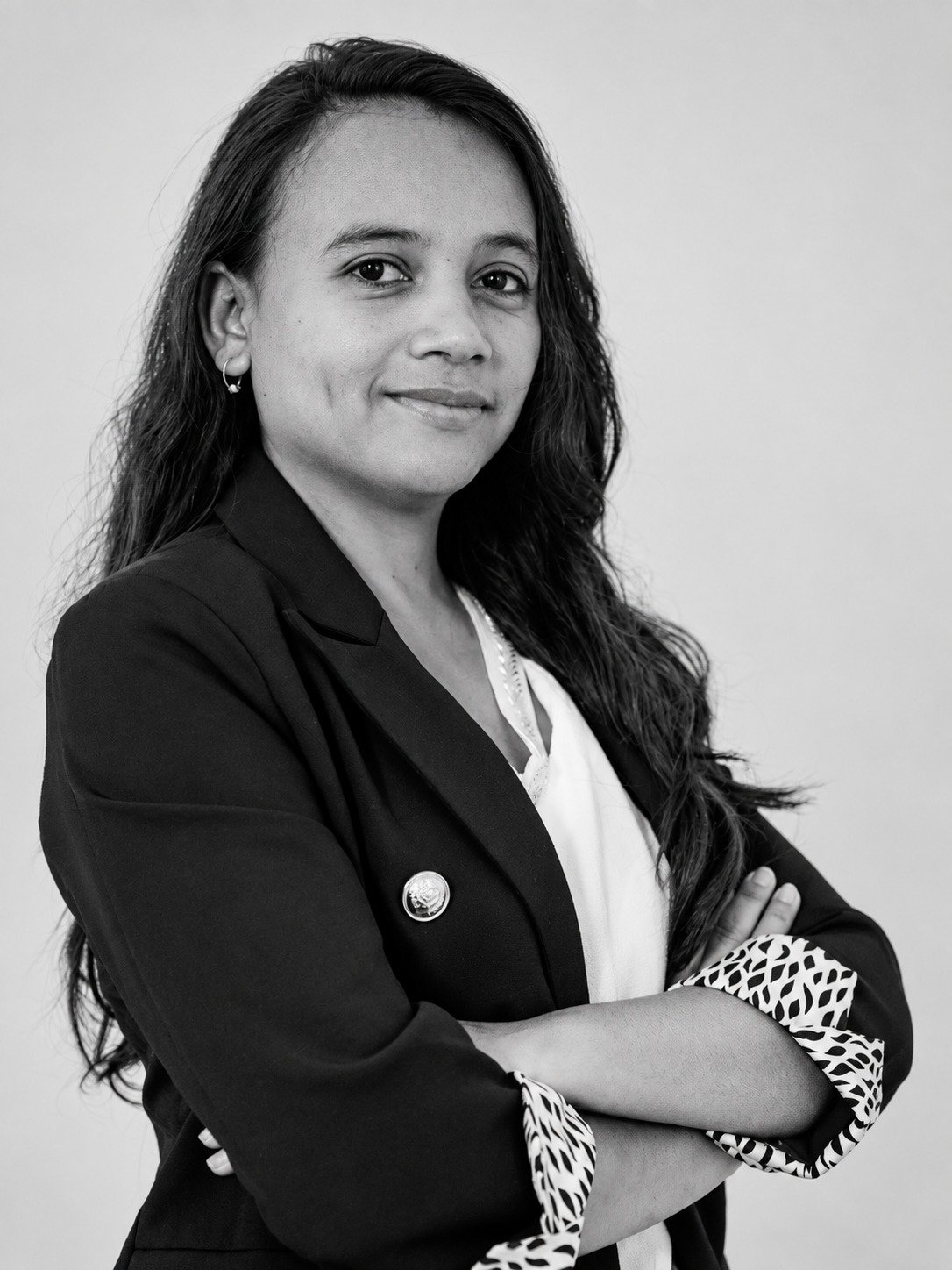
Karine
One Health researcher bridging wildlife pathogen science, environmental governance and policy through interdisciplinary leadership.
Miatrana
Specialist in infectious and zoonotic diseases and their implications for public health, food security, and the livelihoods of rural communities.
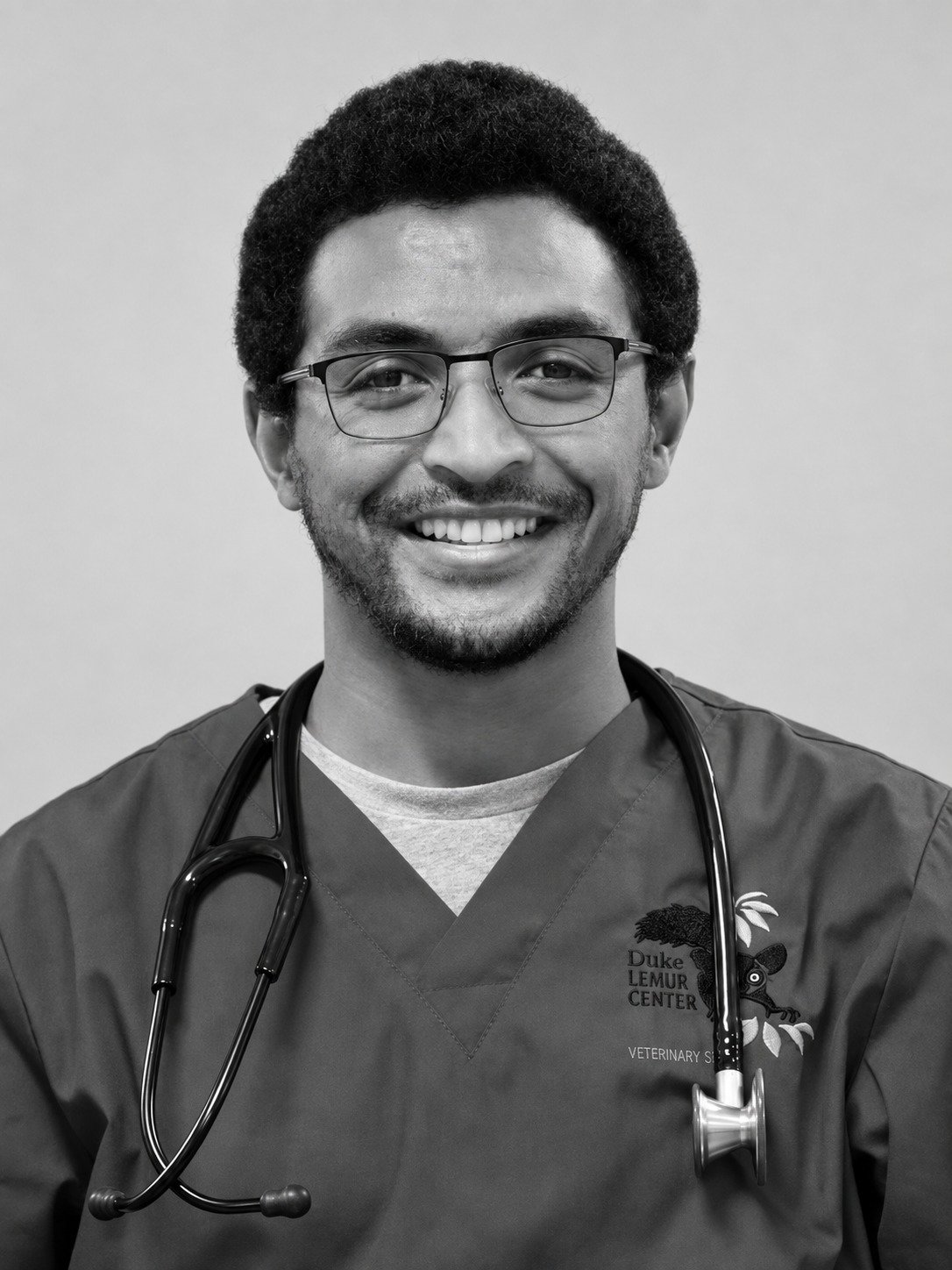
Santatra
One Health researcher bridging wildlife pathogen science, environmental governance and policy through interdisciplinary leadership.
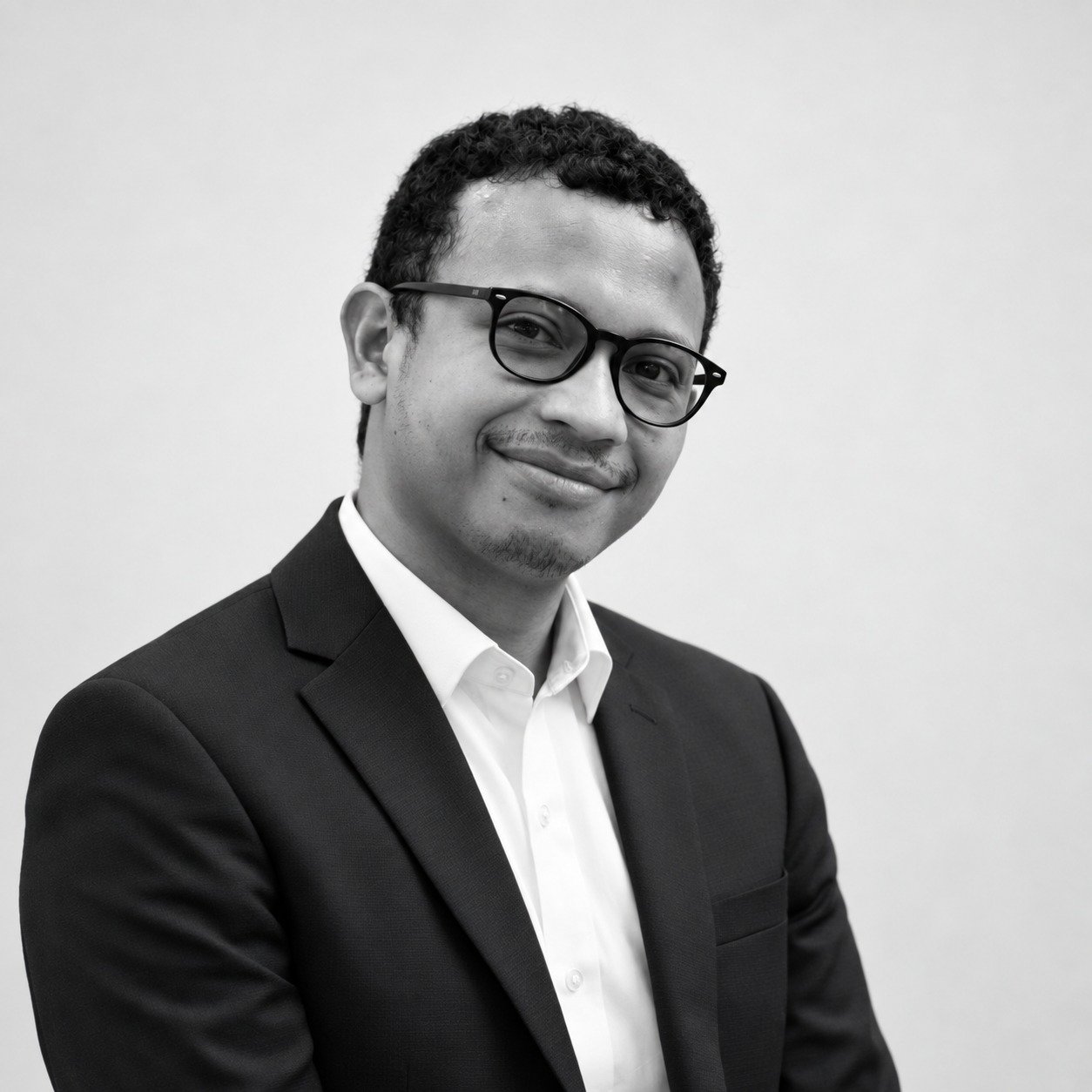
Rianja
One Health researcher bridging wildlife pathogen science, environmental governance and policy through interdisciplinary leadership.

Yvan
A communications professional brings expert in risk and crisis communication grounded in an anthropological approach

Mialisoa
A communications professional brings expert in risk and crisis communication grounded in an anthropological approach
Scientific advisory board
The SAB : recognised experts from complementary disciplines to provide independent scientific guidance, strengthen the quality and relevance of programmes, support multidisciplinary integration, mentor emerging professionals, and connect the organisation with regional and international scientific networks.)
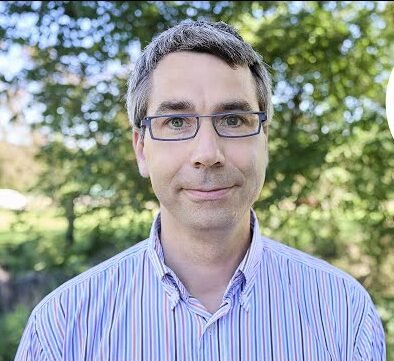
Nicolas Antoine-Moussiaux

Ellen Decaestecker
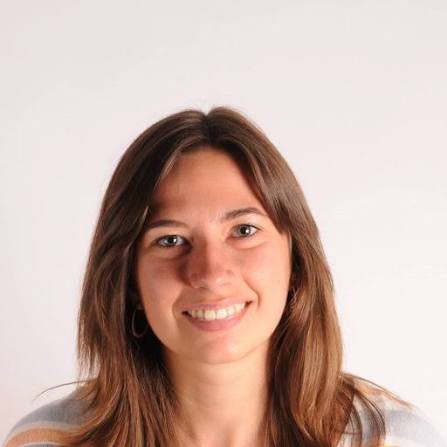
Manon Coone
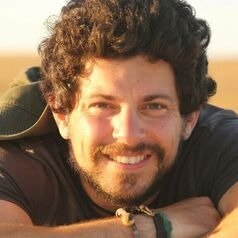
Goldenberg Jonathan

Broos van de Moortel
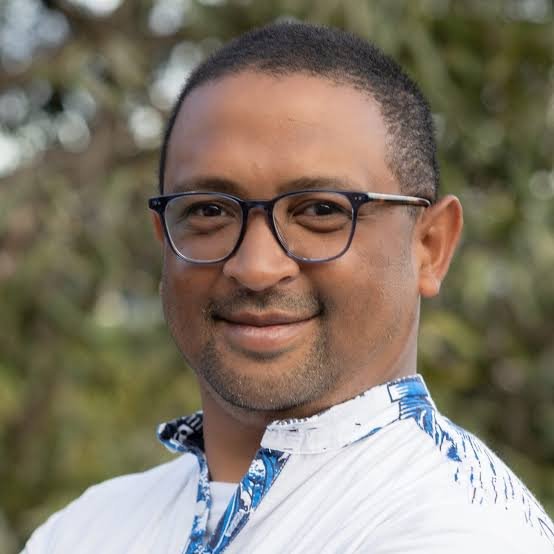
Fidisoa Rasambainarivo
Mitchell Iriwin
Soutenez notre cause
Faites un don ou devenez bénévole pour soutenir notre mission de conservation de la nature.
Nos Projets
Découvrez nos projets réussis pour protéger l’environnement.
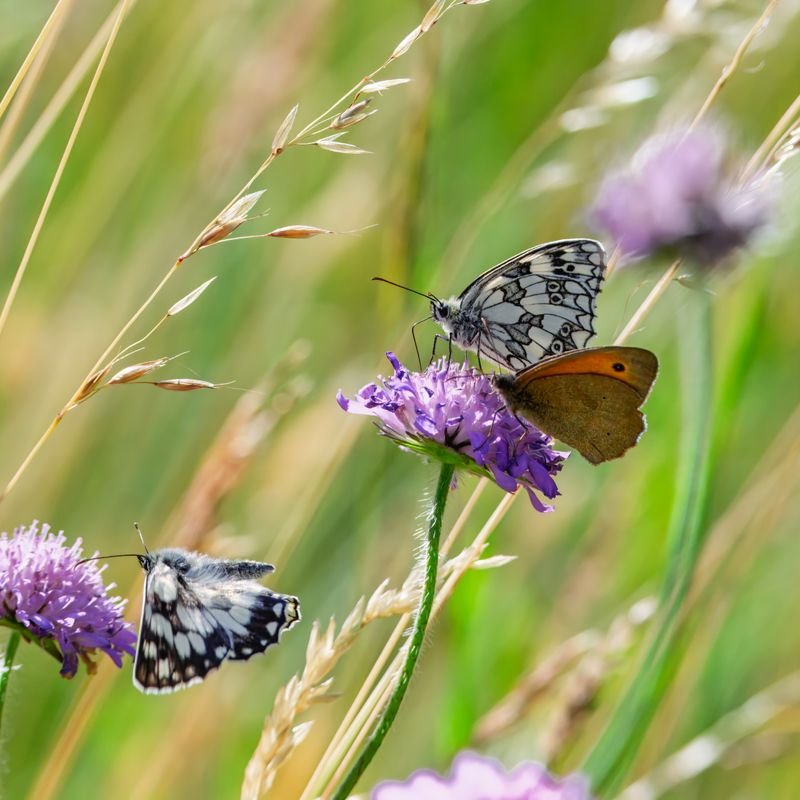
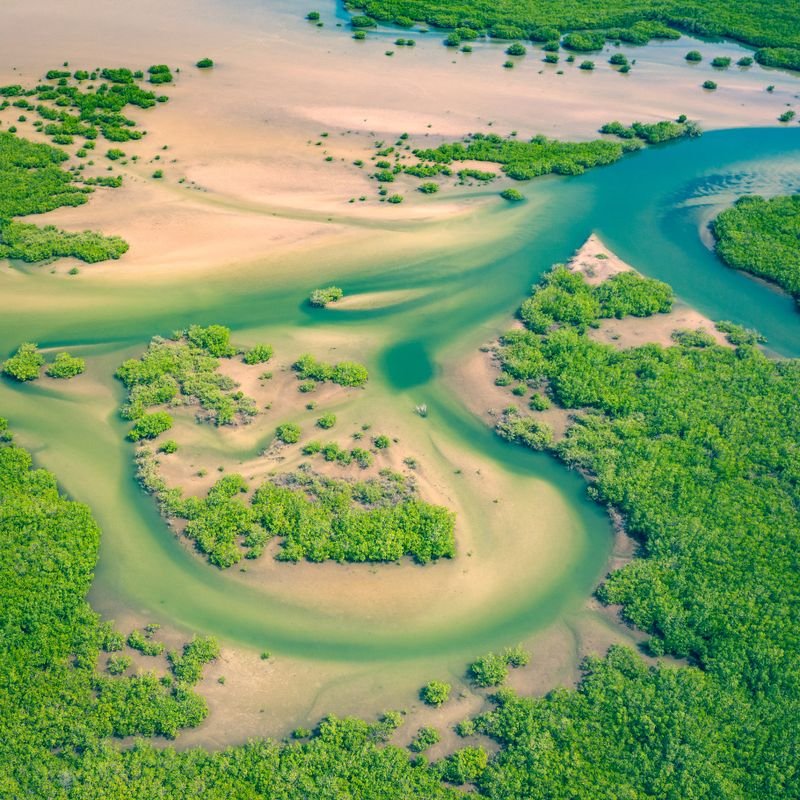
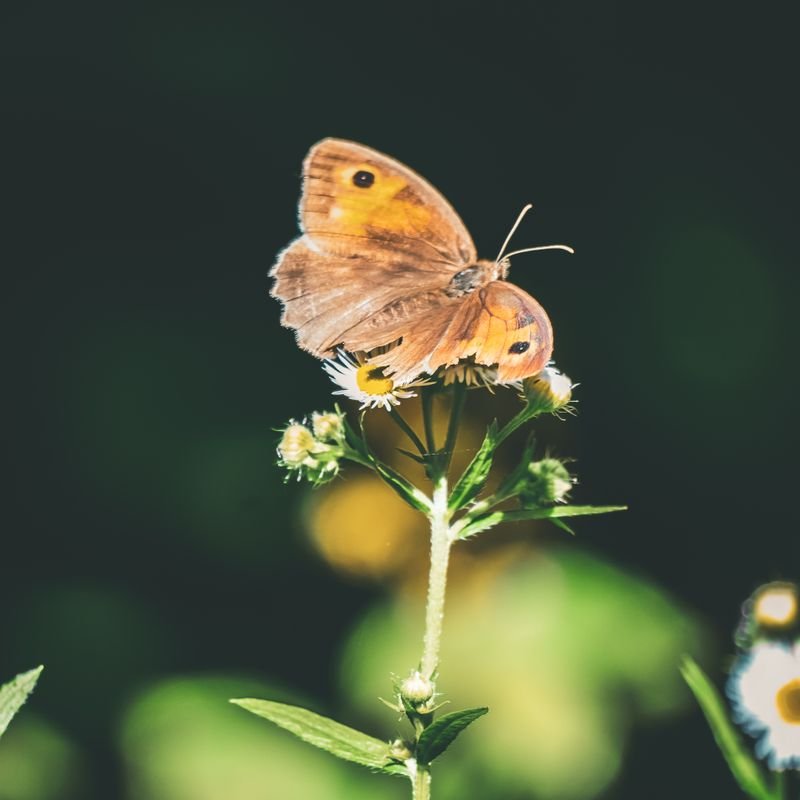
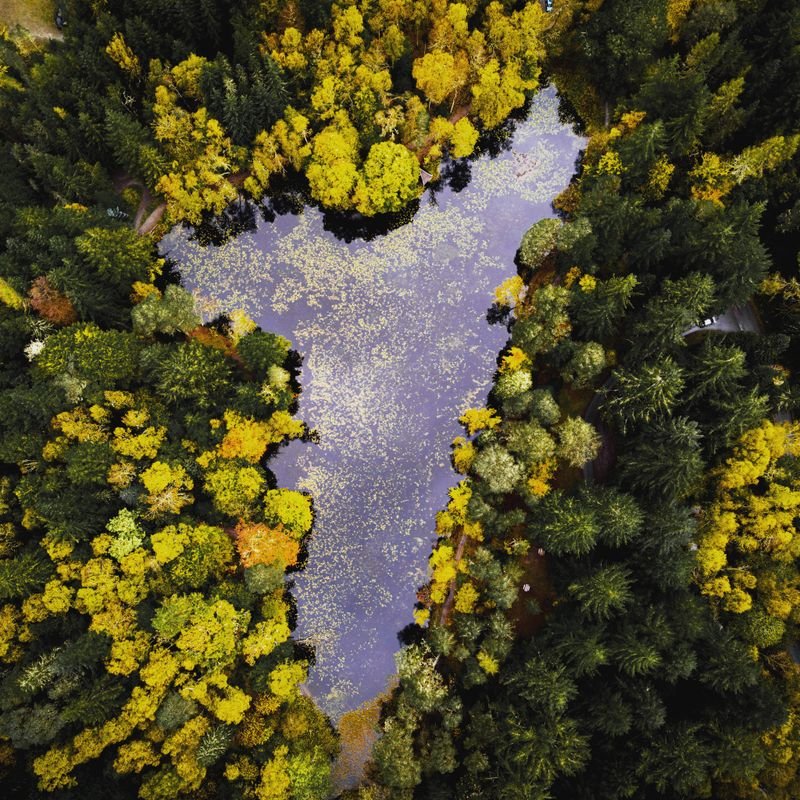
Articles récents
Logos de nos Partenaires




Témoignages
Découvrez les témoignages de nos partenaires.

Nous avons travaillé avec One Health Hub West Indian Ocean pour restaurer et protéger nos milieux naturels et nous sommes extrêmement satisfaits du résultat.
Restauration réussie

Les experts de One Health Hub West Indian Ocean nous ont aidés à mettre en place des stratégies de conservation efficaces pour protéger notre faune et notre flore.
Conservation efficace

Grâce à l’aide de One Health Hub West Indian Ocean, nous avons pu sensibiliser le public à l’importance de la préservation de notre environnement.
Sensibilisation réussie
Contactez-nous
N’hésitez pas à nous contacter pour toute question ou pour nous soutenir dans notre mission de conservation.